

Parent Baby Spaces Framework
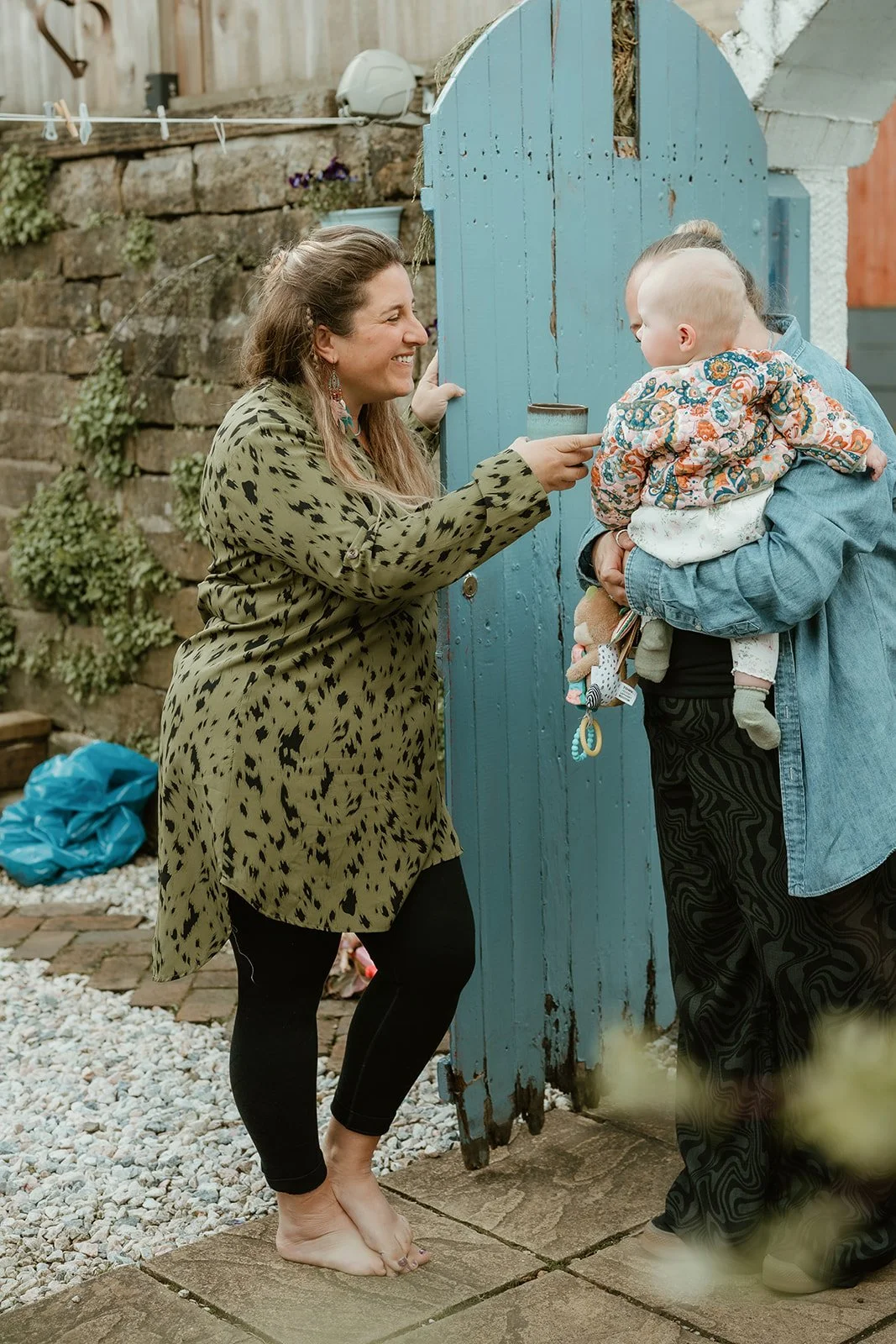
Parent and baby spaces are often among the very first communities that parents, carers and families encounter after welcoming a baby.
Whether through a class, a support group, a one-to-one service or a community programme, these spaces have the potential to shape confidence, connection and a sense of belonging during one of life's most significant transitions.
How those spaces feel matters.
Every family deserves to feel welcomed, respected and able to belong, regardless of their background, identity, circumstances or journey into parenthood.
Parent Baby Spaces exists to strengthen the parent and baby sector through a shared professional philosophy that places emotional safety, accessibility, professional integrity, reflective practice and lifelong learning at its heart.
Our Framework has been developed in collaboration with experienced practitioners and specialist organisations. We are proud to work alongside The Accessible Parenting Network (APN), whose expertise has helped embed accessibility for disabled parents throughout the Parent Baby Spaces Framework and Recognition Standards. Rather than treating accessibility as an additional consideration, it is recognised as a fundamental part of creating emotionally safe, welcoming spaces for every family.
We are not a regulatory body.
We are a professional movement that brings together organisations, training providers, specialist partners and practitioners who believe compassion and professionalism belong together.
Our work is built around two connected elements…
Parent Baby Spaces Framework
Our shared professional philosophy.
our shared professional philosophy for creating emotionally safe, welcoming, accessible and professionally held parent and baby spaces, informed by specialist guidance including accessibility guidance developed with The Accessible Parenting Network.
Who is it for?
🤍 Organisations
🤍 Training Providers
🤍 Practitioners
A professional commitment for individual practitioners.
An opportunity for individual practitioners to publicly demonstrate their ongoing commitment to the professional foundations, standards and values of Parent Baby Spaces. As part of Recognition, practitioners engage with accessibility guidance developed by APN and are encouraged to continue their learning through APN resources and webinars as part of their ongoing professional development.
Who is it for?
🤍 Individual Practitioners
Parent Baby Spaces Recognition Standards
One Philosophy.
Two Pathways.
One Shared Commitment.
Whether you're welcoming families into your own classes...
Training the next generation of practitioners...
Or leading an organisation that supports thousands of parents...
Parent Baby Spaces exists to strengthen the profession through a shared philosophy, reflective leadership and lifelong learning.
Together, these pathways create a profession where parents feel safe, practitioners feel supported and organisations continue to grow.
A professional commitment for individual practitioners.
For Training Academies & Organisations
✓ Read the Parent Baby Spaces Framework
✓ Complete the Alignment Application
✓ Meet with the Parent Baby Spaces team
✓ Embed the Framework within your organisation
✓ Become an Aligned Organisation
£1,250 per 12 months
Minimum 3-year Alignment Agreement
We believe meaningful change takes time. A minimum three-year commitment allows organisations to embed the Parent Baby Spaces Framework into their training, support and professional culture, ensuring lasting impact for the practitioners and families they serve.
For Individual Practitioners
✓ Read the Parent Baby Spaces Recognition Standards
✓ Complete the Recognition Application
✓ Upload your professional foundations
✓ Join the Learning Hub
✓ Become a Recognised Parent Baby Spaces Practitioner
£222 per year or £18.50 per month
Recognition is renewed annually, supporting your ongoing commitment to professional foundations, reflective practice and continual learning through the Parent Baby Spaces Recognition Standards.